
The summertime can be some of the most fun times of the year to be a bass fisherman. Bass can be caught offshore on ledges and brush, or they can often be way up shallow and targeted with a plethora of techniques. One of the most exciting times of the summer for a bass fisherman is the mayfly hatch.
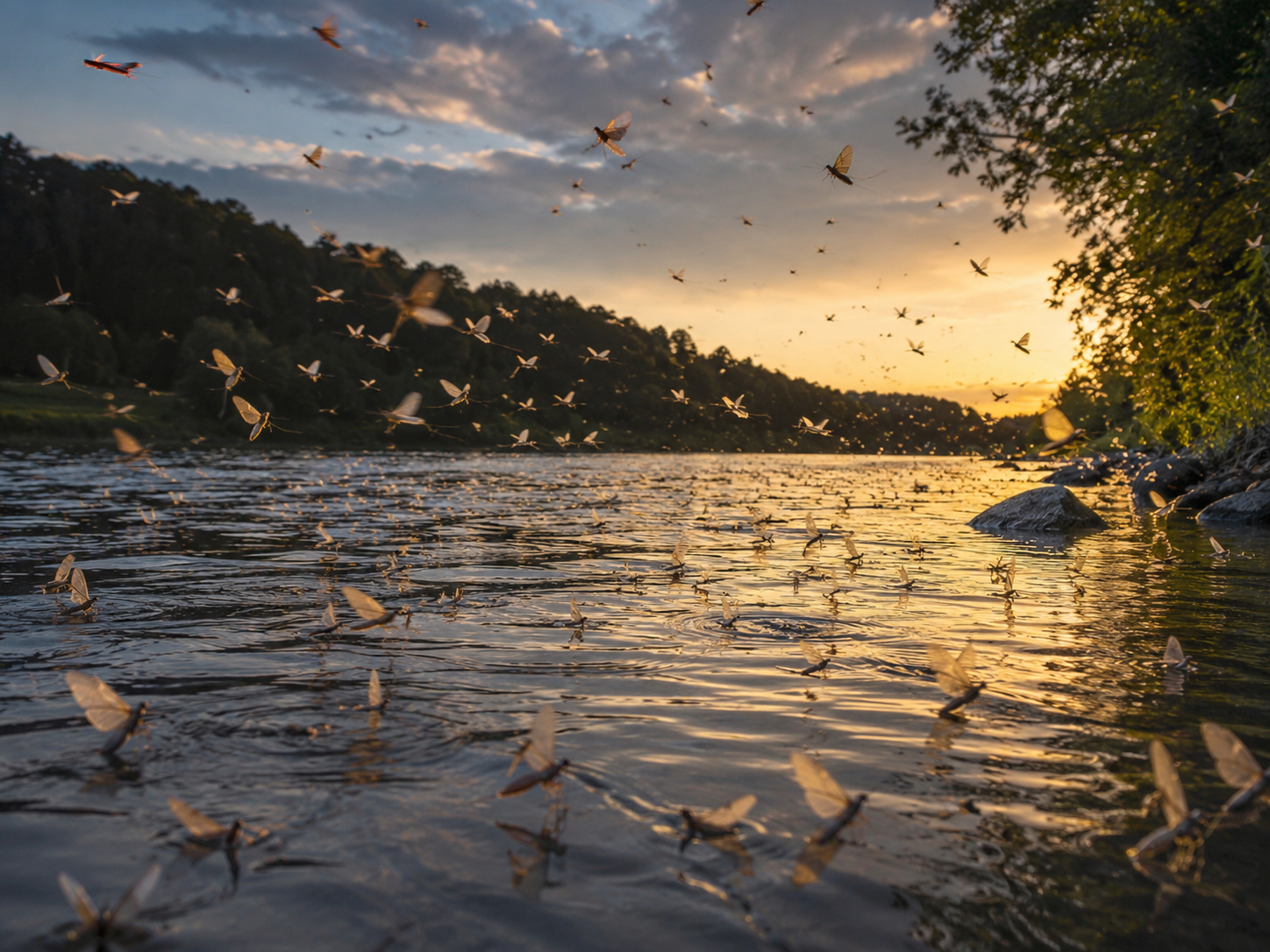
Mayflies are aquatic bugs that spend the majority of their life in the water. During their time underwater, they are known as nymphs. Once water temps hit the upper 60s to lower 70s, the nymphs will emerge from the water in masses and attach themselves to nearby trees, eventually hatching into adult mayflies. In the Southeast, the first wave of the hatch often happens in May and continues throughout the summer months. When this phenomenon occurs, mayflies can be seen hanging from low-hanging trees, boat docks, light poles near the water, bridges, lake houses, and similar structures. Birds can often be spotted congregating around the hatch, which is something that helps bass fishermen locate the hatching bugs. As the summer progresses, new waves of mayflies will hatch — with each wave getting smaller and smaller.
For bass fishermen, the hatch is an exciting experience. You can often find some of the most aggressive feeding bass during this time. Bass like to hang around the hatch — not to eat the flies themselves, but to eat the bream and small baitfish that are feeding on the flies as they hit the water. The sound of feeding baitfish draws in the bass and essentially creates a small feeding frenzy. Generally, the number of baitfish around the hatch depends on the number of flies hitting the water. Even though the flies hatch at daylight, they tend to linger in the trees after hatching and will gradually end up back on the water — either by flying down or, in some cases, getting knocked out of the trees by birds. This means predator fish will hang around until the flies are totally gone.
Some of the best places to target bass during the mayfly hatch are around overhanging trees, bluff walls, and docks where insects and baitfish naturally gather. During low-light conditions, topwater baits are often the go-to choice as bass aggressively feed near the surface. As the day progresses, shade lines along steeper banks become some of the highest-percentage areas to find feeding fish. The shade offers cooler water and ideal ambush points where bass can patiently wait for an easy meal. Unlike the short-lived shad spawn, the mayfly hatch can provide productive fishing opportunities throughout the entire day.
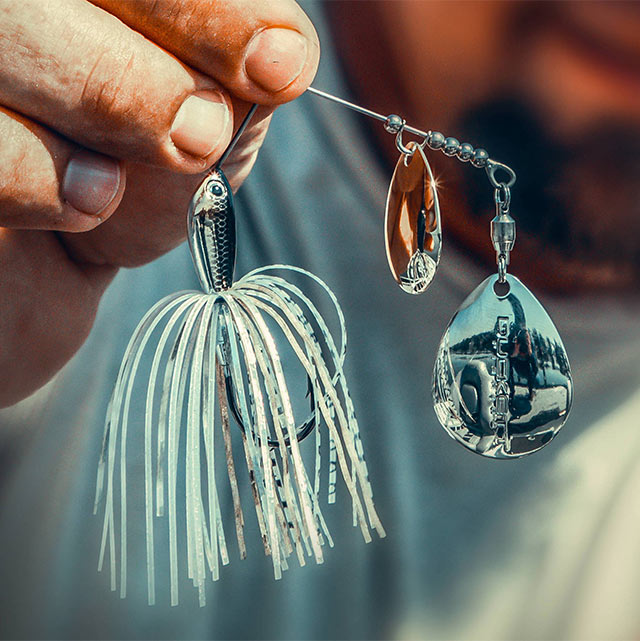
One of the most common bait choices is the BD Popper. The classic "bloop" noise nicely imitates feeding baitfish, and it drives big bass crazy. This larger-sized popper has incredible drawing power and a sound that bass simply can't resist. Along with the noise, this bait comes in many awesome baitfish colors that closely imitate feeding prey. Anglers will target areas where they see mayflies hanging or throw the popper amongst bream feeding on the flies. If there's too much grass or treacherous structure, a great alternative to the traditional popper is the Popping Frog. With this presentation, you get the traditional feeding baitfish appearance along with a bigger, bulkier profile, a much larger variety of colors to match the hatch, and a completely weedless presentation. If bass won't eat a popper, other topwater baits such as the Super Sound (walking bait) or a buzzbait can sometimes get a few extra bites. Once the sun gets up, topwater baits may not excel as much as they did in low-light conditions. Anglers will often transition to a soft plastic approach later in the day. Small creature baits on a light Texas rig nicely imitate the small bream lingering around the hatch. Other baits like a wacky worm and other shallow finesse applications can also excel when the hatch bite slows down. In windy conditions or current, baits like the BD Squarebill and the Compact Spinnerbait will be key players.
When targeting areas like bluff walls or bridges during a mayfly hatch, a different approach is needed. Anglers will pick up heavier, more aggressive baits to pull bass out and trigger a feed. The bass tend to hang tight to the vertical structure near the mayflies and will ambush feeding prey when given the perfect opportunity. In the mornings and low-light conditions, a larger, more aggressive topwater is ideal to draw bass out of deeper water. Something like the BD Popper, a pencil popper, or a knocking walking bait will have the best drawing power. The Duckett Baits Super Sound is a great choice because of its obnoxiously loud rattle and BB knocker — bass can hear this bait from a great distance, and it stands out well amongst feeding baitfish. Loud topwaters that throw a lot of commotion on the surface are the most effective when fishing a vertical structure mayfly hatch. Once hatch activity slows down, anglers will then go to a heavier, bulkier presentation to reach the deeper bass hanging near the baitfish. Baits like jigs, the Wall Hanger, and larger Texas rigs can be the most effective during these scenarios. As long as you're trying to match the feeding prey, you'll most likely find success.
The summertime mayfly hatch creates one of the best feeding opportunities of the year for bass fishermen. As mayflies emerge and gather around shoreline cover, baitfish and bream move in to feed on them — followed closely by hungry bass. This chain reaction can create nonstop action around trees, docks, bluff walls, and bridges throughout the day. Topwater baits like poppers, frogs, and walking baits are excellent choices during low-light periods, while soft plastics and jigs can keep bites coming once the sun gets higher. By focusing on areas with active mayflies and matching the prey bass are feeding on, anglers can experience some of the most exciting summer fishing of the season.
Blog written by Reece Knight of Auburn University Bass Fishing Team